


the restaurant soft opening checklist: what to test before you open.
A restaurant soft opening is a systems test, not a party. Here is what to run, who to invite, and what to fix before the doors open for real.
insights · systems · 19 nov 2026 · 8 min
Opening a brewery is a manufacturing plant and a hospitality business under one roof. Here is the order we would settle things in, from the taproom model to the systems that hold opening week together.
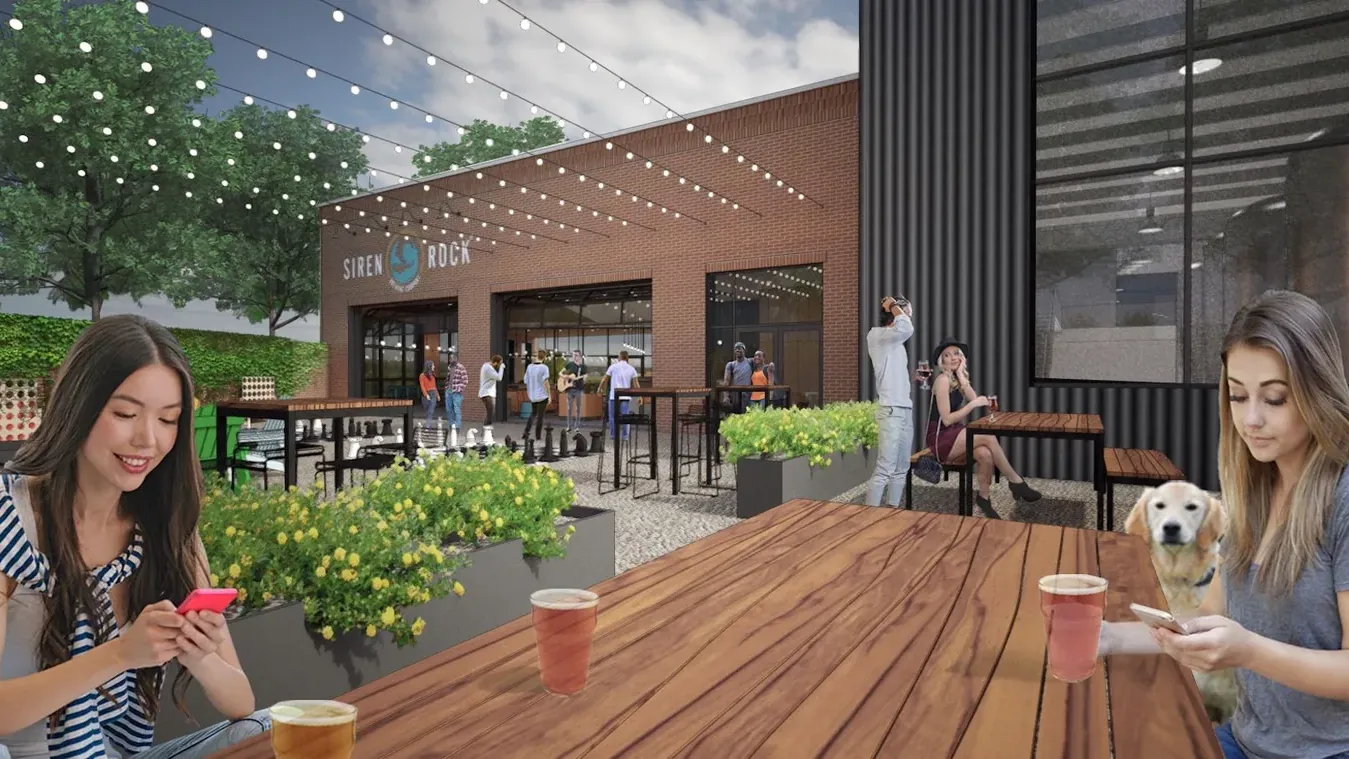
Here is how to open up a brewery, in the order that matters. Decide what kind of brewery you are. Find a building that can carry a brewhouse and a room full of guests at the same time. Get your federal and state permits moving before you sign a lease. Build the systems that connect the tanks to the taproom. Then give the whole place a brand that works on a can, a tap handle and the sign over the door. The brewing is the part you already love. Everything around it decides whether the place holds together.
A brewery is two businesses sharing a wall. One is a small manufacturing plant with a roll-up door and a drain plan. The other is a bar, with a kitchen or at least a food plan, and a front door guests walk through. We design brands, spaces and the systems behind them, and the first thing we look for in any brewery plan is whether the second business got drawn as carefully as the first.
The usual instinct is to start with equipment. A brewhouse size, a fermenter count, a quote from a fabricator. We start one step earlier, with a plain question: where does your beer get sold? A taproom brewery sells most of what it makes across its own bar. A production brewery sells kegs and cans to bars and stores. A brewpub puts a kitchen at the center and brews to feed its own dining room. Each one is a different building, a different staff and a different set of permits.
The money shows why the model comes first. A half-barrel keg holds about 124 pints. Pour it across your own bar at $7 a pint and that keg rings up $868. Sell the same keg to a bar across town for a hypothetical $180 and you have moved the same beer for a fraction of the revenue, with no guest in front of you. Neither path is wrong. But a brewery built for distribution needs a bigger cold room, a loading door and someone selling, and a brewery built for its taproom needs seats, a good bar and a reason to stay for the second pint.
Write the model down before you sign anything. It belongs on the first page of the plan, and every number after it depends on it: tank count, seat count, staffing, the size of the cold room. We walk through that document in how to write a restaurant business plan that doesn't suck, and a brewery plan follows the same logic with a production schedule bolted on.
A brewery building asks for things a restaurant never does. Floor drains, and floors sloped to reach them. Ceiling height for the tanks you have and the ones you will add later. A slab that can carry full fermenters. Power and gas sized for a boil. Somewhere for spent grain to go that is not past the front door. Then layer the guest side on top: restrooms, a bar, seating, a patio if the site allows one, and a path from the parking lot that does not run past the grain mill.
Permits sit under all of it. A brewery needs a federal brewer's notice and state permits through TABC, plus whatever the city asks of a building that both manufactures and serves. Start those conversations before the lease is signed. A space that cannot be permitted for brewing is just an expensive room with good ceilings.
Then draw the two sides as one place. The strongest brewery rooms let guests see the tanks without letting them wander into the brewhouse. Glass, a half wall, a rail at the right height. The brewer keeps a working floor that stays wet and loud, and the taproom gets a view of where the beer comes from. Siren Rock Brewing Co., a chef-driven kitchen and brewery in Texas whose space we designed, is the problem in miniature: a brewhouse, a kitchen and a bar under one roof, each with its own needs, all expected to feel like one room.
Systems are where a brewery either connects or splits in two. The brewer knows what is in every tank. The bar manager knows what is on tap. Somebody has to know both. When a keg kicks mid-service, the bar needs to know what goes on next, what is still conditioning, and what to tell the guest leaning on the rail.
Start with the POS and inventory. Whatever you ring sales through, Toast, Square or something built for taprooms, set it up so a pint, a flight pour, a crowler and a four-pack each pull from the right count. Then make the tap list live in one place and push out from there: the board behind the bar, the menu on the table, the website and Google. A tap list that is wrong in three places on day one tells guests nobody is watching.
Then the people systems. Who changes a keg, and who is allowed to? What does the opening checklist look like for the bar, and the closing one for the brewhouse? Where does the pour log live? How does a server describe a one-off that will be gone soon, in a sentence that sells it without a lecture? Write those answers down before you hire, so training has something to train from.
None of this is glamorous, and it is the part that gets skipped. It is also the work we do under systems + ops: the checklists, the station layout behind the bar, the training and the reporting that let a brewery run on a slow Tuesday without the owner standing behind the taps.
A brewery brand carries more weight than most restaurant brands, because it leaves the building. It shows up on a can in a cooler three towns over, on a tap handle in somebody else's bar, on a hoodie at a weekend market. The mark has to read small and far. The label system has to hold a core lineup and a steady stream of one-offs without looking like ten different breweries.
For Siren Rock we made the brand and the beer labels alongside the space, so the core cans and the room spoke the same language. We reviewed logo options on paper and on screen before anything went to print, because a mark that looks sharp on a monitor can fall apart wrapped around a can in a cooler.
Design the label system before you design the first label. Decide what stays fixed, the mark, the type, the layout grid, and what changes, the color, the illustration, the beer name. Then the brewer can release a new beer without starting a new design project every time, and a guest can spot your cans from across the store.
Opening week is where every decision above gets tested at once. Brew far enough ahead that the tap list is full on day one, not half full with a chalkboard promising more. Run soft openings for neighbors, friends and the crew who helped build the place, and treat them as rehearsals, not parties. Change a keg during service on purpose, just to watch who does it and how long the line waits.
Watch wherever guests land first. In a taproom that is usually the bar itself, not a host stand. Can a first-time guest tell how to order, whether there is table service, and where the food comes from? Is there a clear place to stand while a flight gets poured? Those answers belong on the signage and the menu before anyone has to ask a bartender.
Then keep notes. Every rough moment in opening week points to a system that needs a line written down: a checklist item, a station change, a training point. The brewery that writes them down is the one that gets steadier. Copper+Oak designs brands, spaces and the systems behind them for independent hospitality in Dallas-Fort Worth.
No, but the model changes everything after it. A production-only brewery sells through distributors and retailers, so the building, staff and permits lean toward packaging, cold storage and sales. A taproom puts you in front of guests and keeps more of each pint's revenue in the building. Decide which you are before you size the brewhouse.
Start the brand early enough that it can shape the space. The name, the mark and the label system tell the architect and the sign maker what the building should feel like. If the brand arrives after the walls are framed, it ends up decorating a room it never had a say in.
Plan on a federal brewer's notice and state permits through TABC, plus local zoning, building and health approvals for the space. The exact mix depends on whether you brew only, run a taproom or serve food. Start those applications before you commit to a lease, because the building itself has to qualify.
We work on everything that sits around the beer: the brand, the label system, the room, the signage and the operating systems that connect the brewhouse to the bar. The brewer owns the recipes and the process. We make sure the place guests walk into works as hard as the tanks behind the glass.