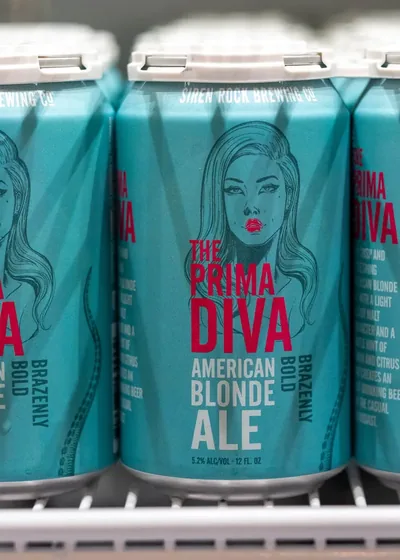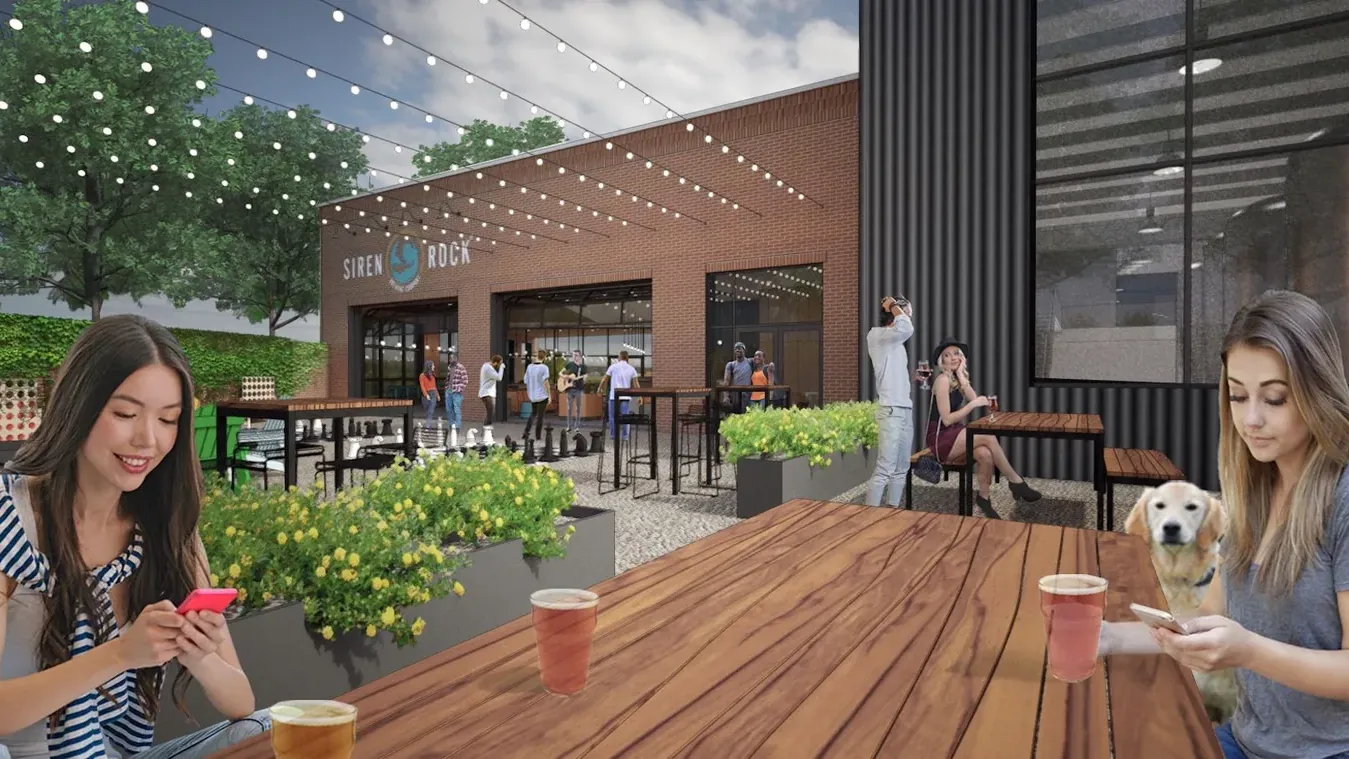
how to open up a brewery: start with the room, not the tanks.
A working guide to how to open up a brewery: the model, the building, the systems and the brand to settle before the first batch.
insights
latest
A working guide to how to open up a brewery: the model, the building, the systems and the brand to settle before the first batch.
Restaurant music, scent, acoustics and touch shape how a room feels. Here is how to design the senses that usually get left to whoever opens.
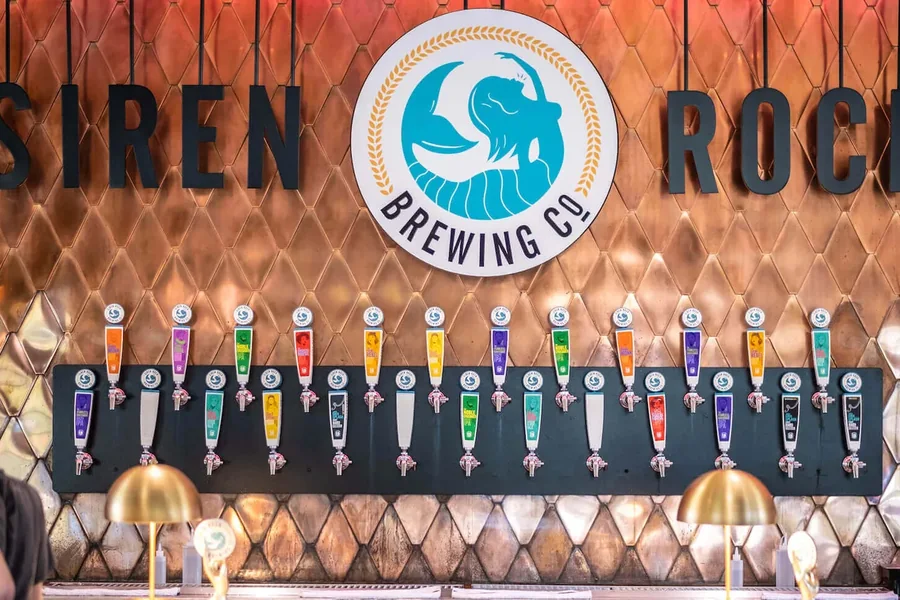
Bar design decides how fast drinks leave the well, which seats earn, and what guests order. Here are the decisions that make a bar pay.
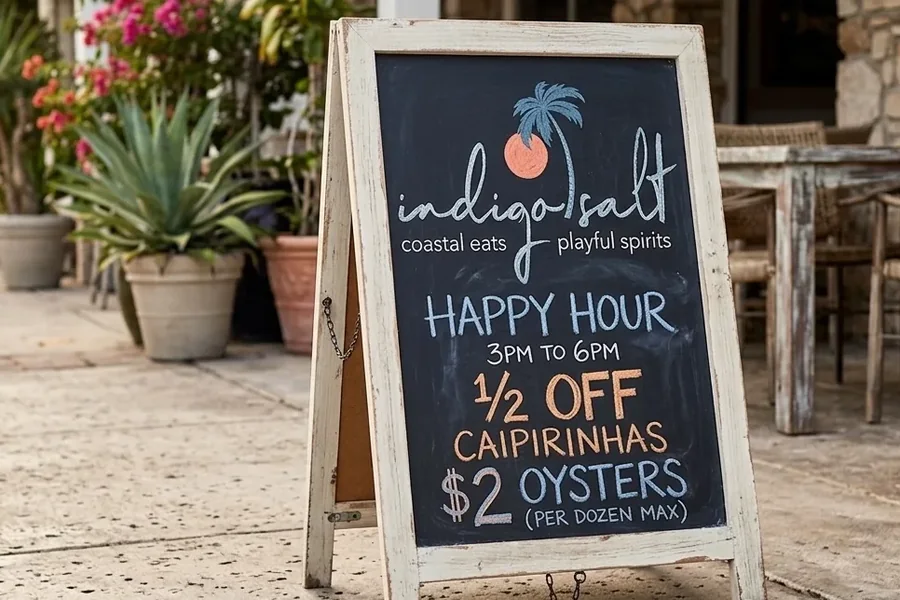
Restaurant signage that works: the street sign, the door, the room and the signs nobody designs, from a Dallas-Fort Worth design studio.
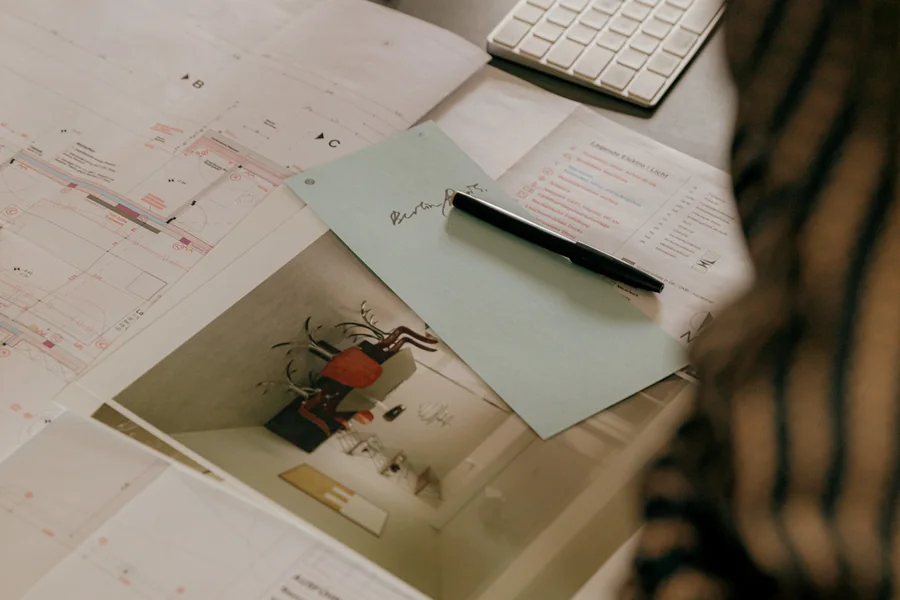
A restaurant business plan is a decision document, not a pitch deck. Here is what to put in it, what to cut, and how to make the numbers hold.
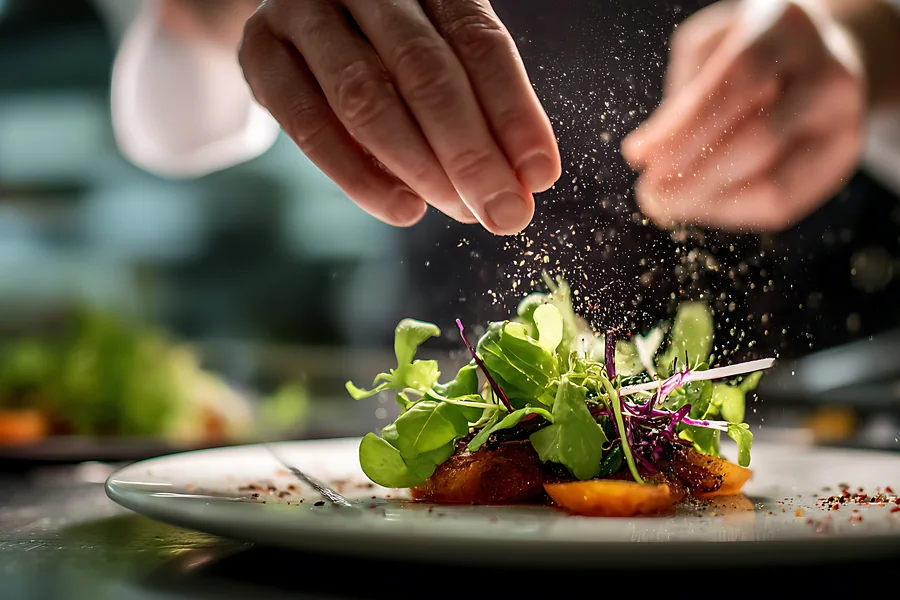
A restaurant soft opening is a systems test, not a party. Here is what to run, who to invite, and what to fix before the doors open for real.
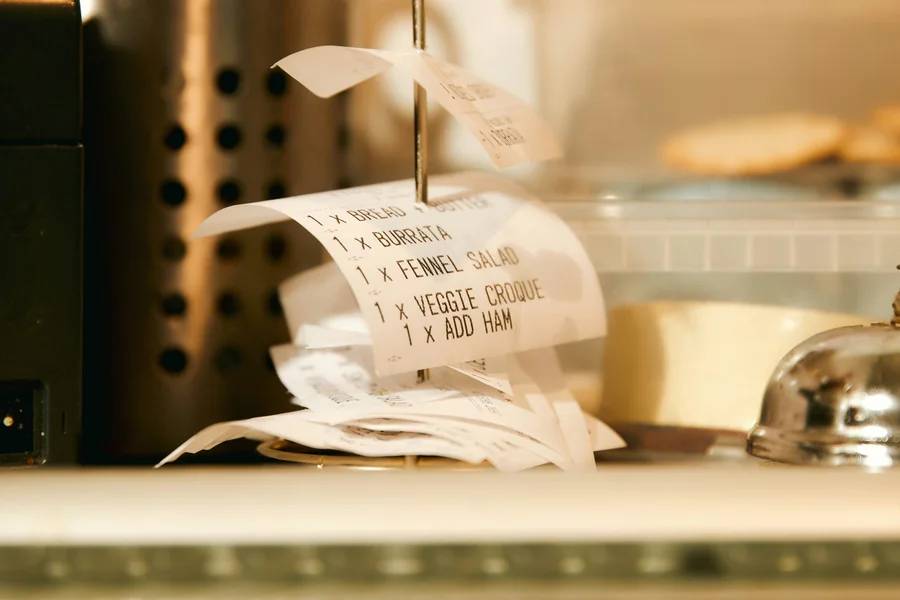
Most restaurant website design fails because it was built to look good, not to answer the four questions every guest arrives with.
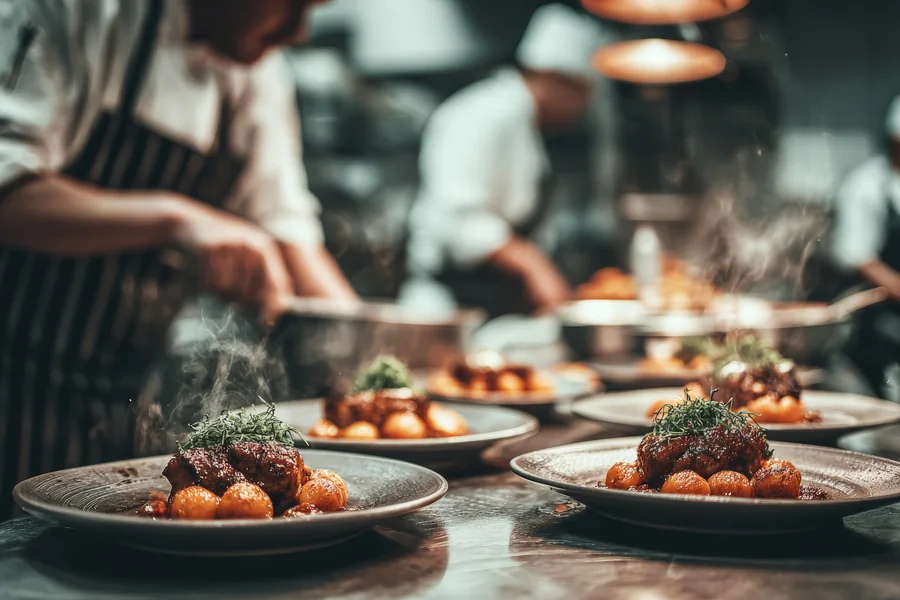
Commercial kitchen design decides ticket times, plate quality and server pace. Here is how the back of house shows up at the table.
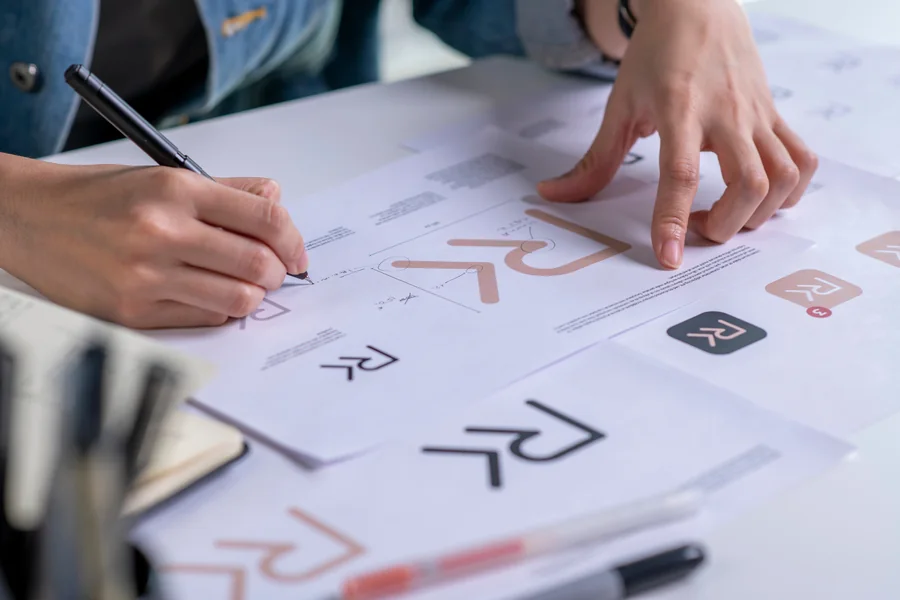
A working framework for restaurant name ideas: how to test a name against the sign, the phone, the search bar, and a busy Saturday night.
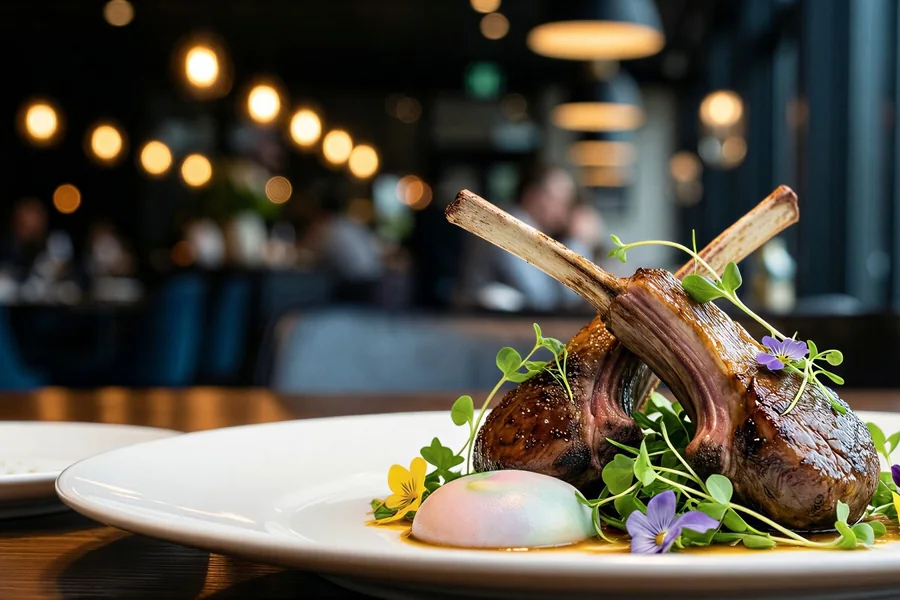
Restaurant lighting tells guests how to behave, how long to stay, and what to spend. Here is how to read the signal and fix it.
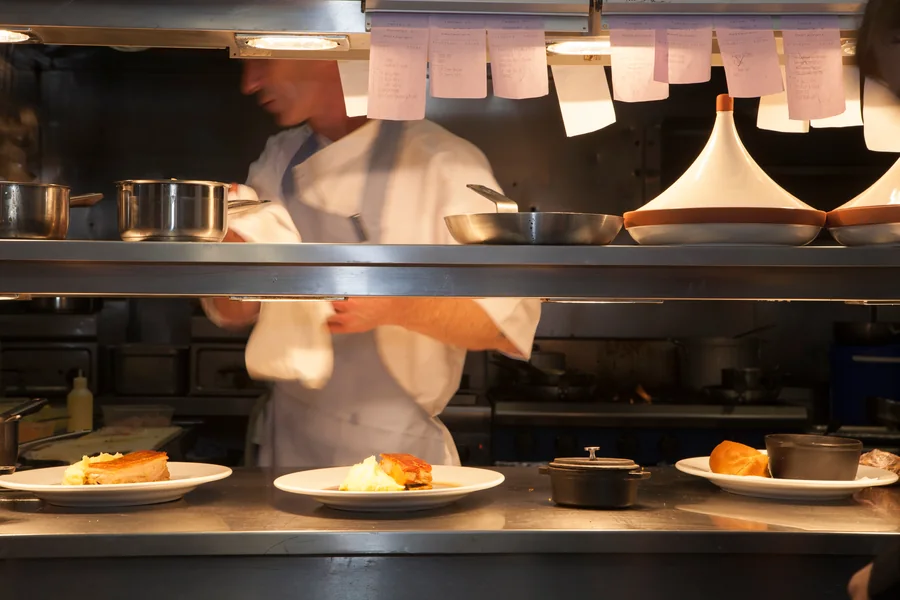
Restaurant menu design is a sales tool, not a decoration. How layout, pricing, and kitchen reality turn a menu into profit.
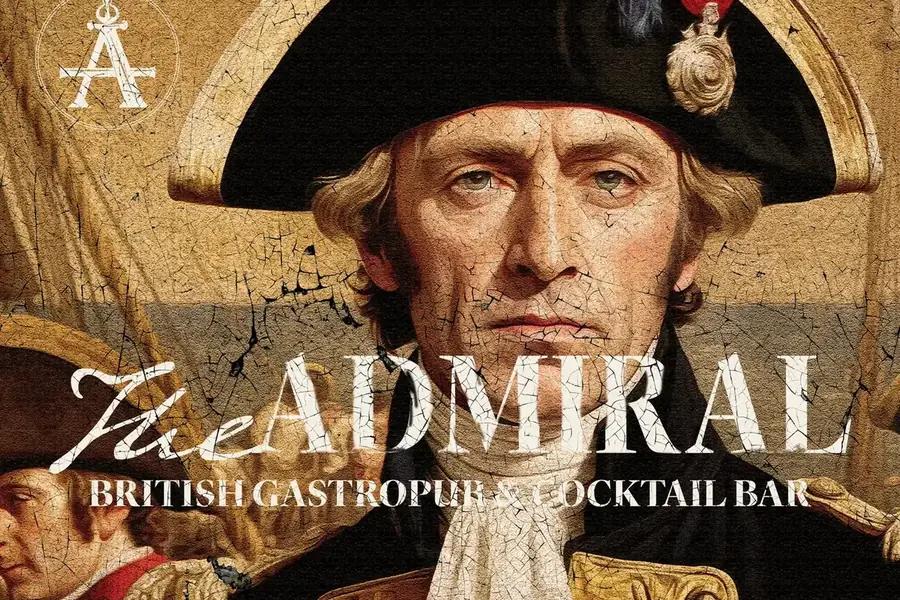
The whole system a guest reads before the first bite: name, identity, menu, signage, and the room. Here is the real scope.
A studio makes you look right. A consultant makes you run right. How to tell which one you need, from someone who did both.
The scope runs wider than the dining room: the brand, the space, the systems that run them, and the growth work after you open.
Most slow restaurants do not have a food problem. They have a visibility problem, a drift problem, or both. A twenty-minute diagnostic.
Most beautiful rooms are not built to a brief. They are built to a feeling. What we have learned about how that feeling gets made.
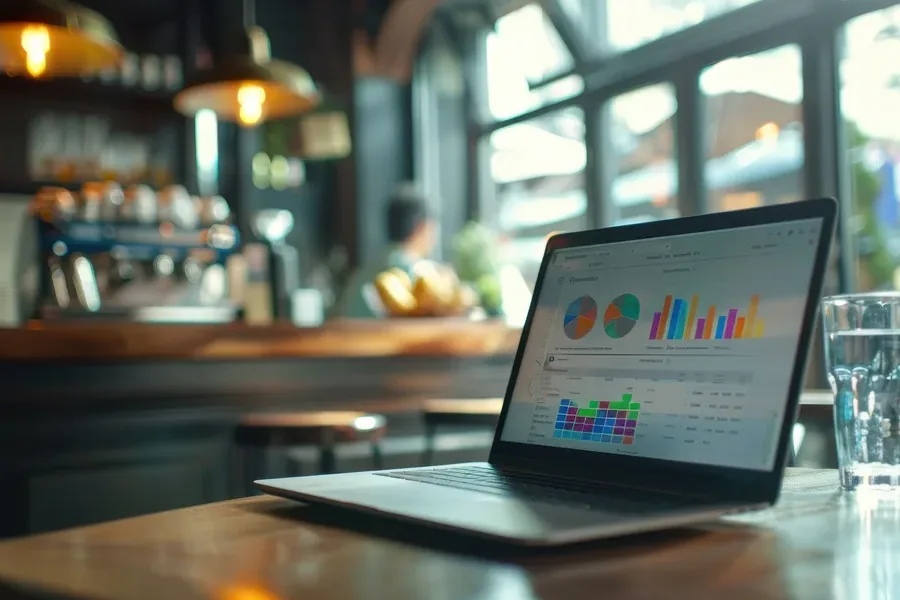
Agentic AI is changing how independent restaurants market. The benefits only show up when the agents are run by someone who has been on the line.
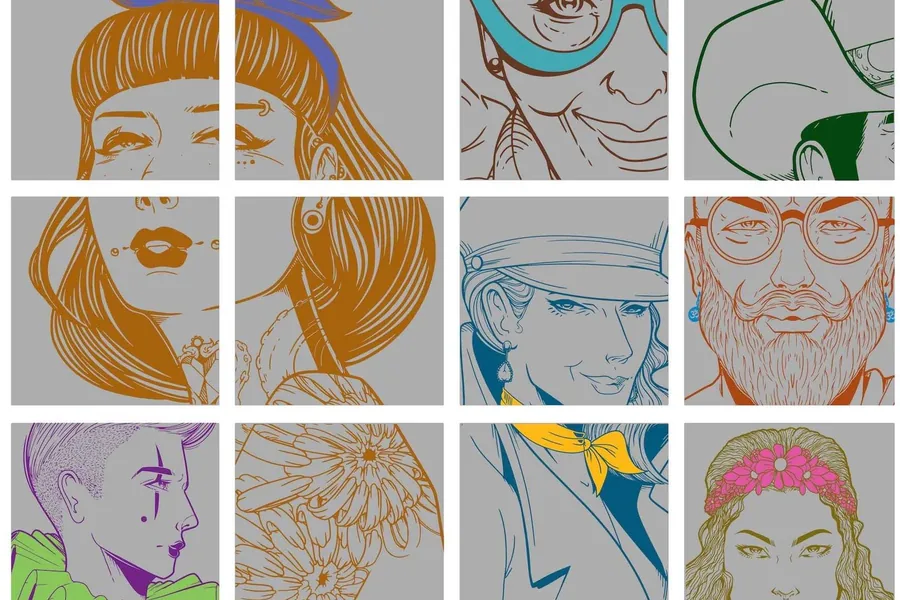
A logo is one asset. What you actually need is the system of touchpoints around it, and a way to build one that makes a concept feel intentional.
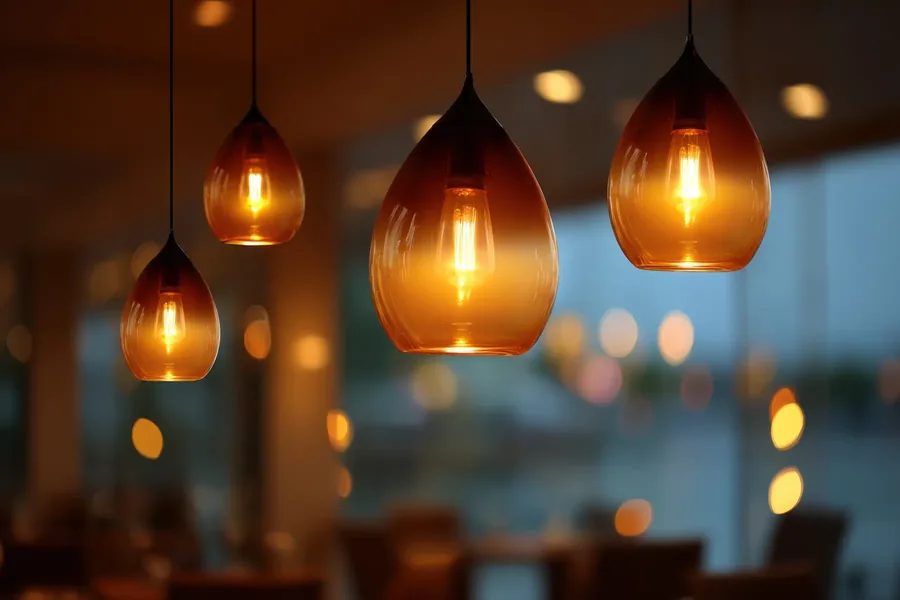
Lighting, traffic flow, finishes, brand mismatch, DIY design. The five choices that quietly drain money every single day.
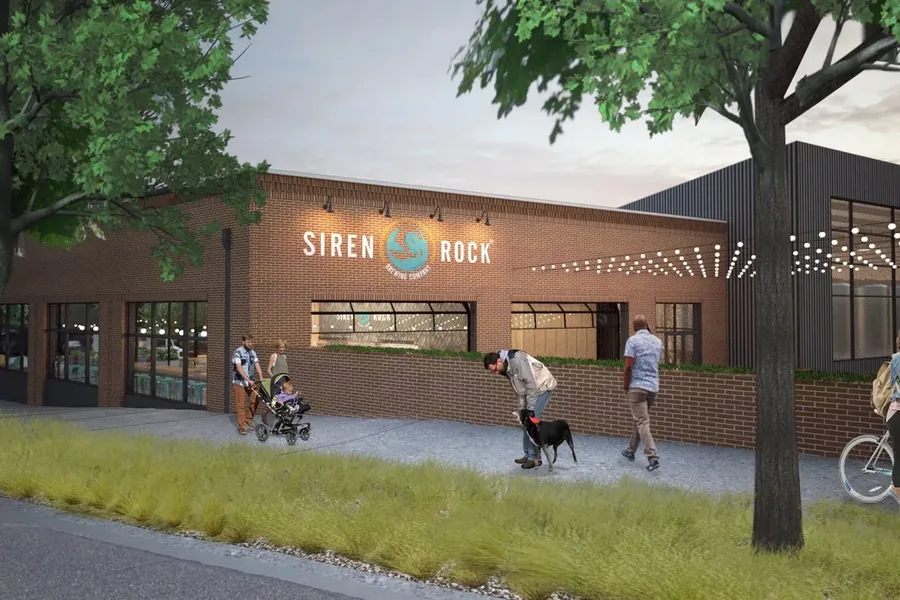
Concept, location, permits, TABC, budget and buildout. The sequence, from an operator who ran one for eight years.
nothing filed under that discipline yet.