



the complete guide to restaurant branding.
We wrote this to answer what operators actually ask before they hire anyone. What branding covers. What it costs. Where it goes wrong, and when it is worth paying for.
insights · brand · 21 apr 2026 · 9 min
You got the logo. You picked the colors. You think branding is done. It's not — and that gap between what you think your brand is and what your guests actually experience is costing you more than you realize.
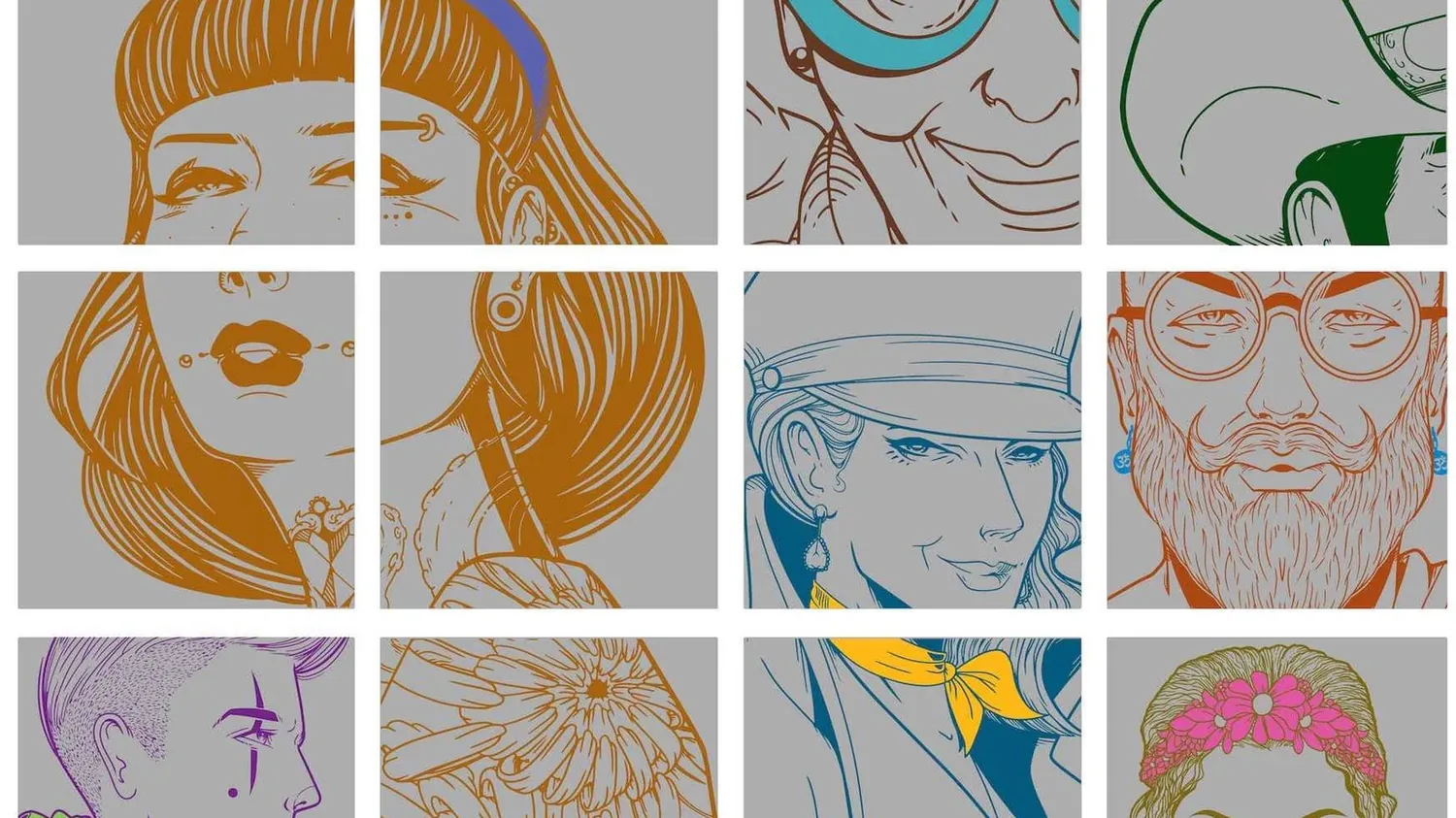
Let's start with the thing nobody wants to hear: your restaurant brand identity is not your logo. It's not the mark you spent three months going back and forth on. It's not the font you picked for the menu. It's not your color palette.
Those things matter. But they're components. And when operators treat a single component as the whole brand, the result is a restaurant that feels assembled rather than designed. A place where the logo says one thing, the menu says another, the Instagram says something else entirely, and the actual guest experience doesn't match any of it.
We see this constantly. An operator invests real money in a beautiful logo, then picks menu fonts from a template, orders generic staff shirts, prints signage at a copy shop, and posts whatever looks good on social media that day. Every individual piece might be fine on its own. But together? It feels like six different restaurants sharing the same address.
A brand is a system. And when you build it as a system, everything clicks. Your restaurant stops feeling like a collection of decisions and starts feeling like a place with a point of view.
This isn't just an aesthetic problem. A fragmented brand costs you real money in ways most operators don't track.
First, there's the recognition problem. When your visual identity shifts from touchpoint to touchpoint, guests don't build the kind of instant recognition that drives repeat visits and word-of-mouth. They might love the food, but they can't quite picture your restaurant in their mind when recommending it to a friend. Your brand doesn't stick.
Then there's the trust gap. Inconsistency — even subtle inconsistency — signals a lack of attention to detail. If your Instagram aesthetic doesn't match the reality of walking through the door, guests feel a disconnect before they're even seated. It's not something they can articulate, but they feel it. And that feeling shapes whether they come back.
Finally, there's the operational drag. When you don't have a brand system, every new decision becomes a standalone project. New menu design? Start from scratch. Holiday promotion? Figure out the look on the fly. Hiring a photographer for the website? Hope they capture the right vibe. Without a system, you're reinventing your brand every time you need to produce something. That's exhausting and expensive.
Recognition, trust, operational drag — three different leaks, all pouring from the same hole. A brand that wasn't built as a system.
A brand system is every surface, every touchpoint, every moment a guest interacts with your restaurant — designed to speak the same language. It's the visual identity, yes. But it's also the physical environment, the materials, the voice, the behavior.
Here's what that includes:
When all of these elements are designed as part of one system, your restaurant doesn't just look good — it feels inevitable. Like it couldn't be any other way. That's the difference between a place that's branded and a place that has a brand.
When every touchpoint speaks the same language, your restaurant stops feeling assembled and starts feeling intentional.
Before Copper+Oak existed, our founder Cory Cannon spent eight years building and running Siren Rock Brewing Company — a 13,000-square-foot brewery-restaurant in Rockwall, Texas. And the biggest lesson from those eight years had nothing to do with beer recipes or kitchen operations. It was this: when you design everything as one system, guests feel it immediately.
At Siren Rock, Cory didn't hand off the logo to one designer, the interior to another, and the merchandise to a third. He designed the beer can labels, the bar wrap, the tap handles, the merchandise, the signage, the food presentation, and the guest-facing materials as one cohesive system. Same visual language. Same material palette. Same point of view.
The result was a place that felt intentional from the parking lot to the pint glass. Guests couldn't always tell you why it felt different from other breweries in the area, but they could feel it. The experience was seamless — not because every detail was precious or over-designed, but because every detail was connected.
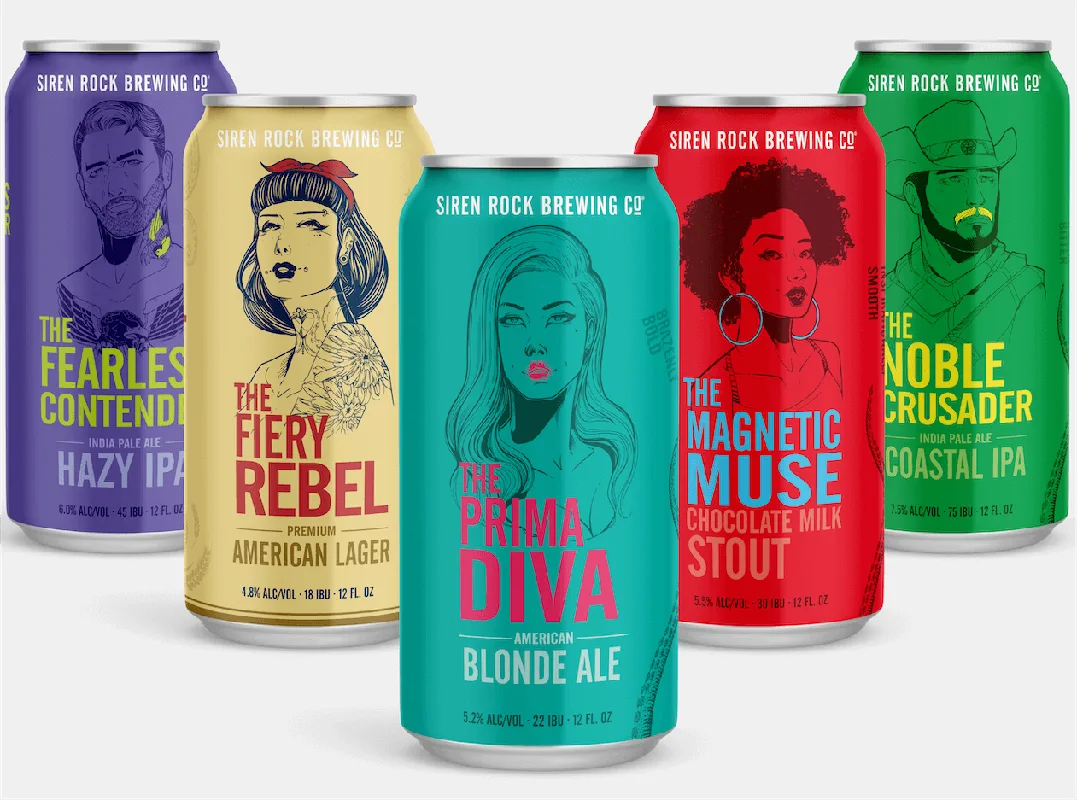
Here's a specific example. The bar wrap at Siren Rock used a custom steel treatment with a patina finish. That same material language showed up in the exterior signage brackets, the tap handle hardware, and the merchandise hang tags. A guest would never consciously notice that connection. But subconsciously, it all registered as one thing. One place. One identity.
Compare that to what happens when the bar is designed by an architect who likes industrial steel, but the signage is done by a print shop that defaults to brushed aluminum, and the merchandise is designed by a freelancer who used a completely different aesthetic. Individually, each choice might be perfectly fine. Together, it's noise.
That's the lesson: brand systems aren't about making everything look the same. They're about making everything feel like it belongs together.
You don't need a massive budget or a 50-page brand book to start thinking systemically. You need a framework. Here's one we use with our clients.
Start with three to five words that describe the feeling you want guests to have. Not what you serve or how you describe your concept — the actual emotional experience. For a neighborhood bistro, that might be "warm, familiar, unhurried." For an upscale cocktail bar, maybe "sophisticated, intimate, surprising." These anchors become your filter for every decision.
Walk through your restaurant as a guest. Start from Google search results, move to your website, then the parking lot, the front door, the host stand, the menu, the table setting, the restroom, the check presenter, the to-go bag. List every single surface where your brand shows up. Most operators are surprised by how many touchpoints they have — and how many are unbranded or inconsistent.
Compare each touchpoint against your brand anchors. Does your website feel "warm and familiar" if that's what you're going for? Does your restroom signage? Does your Instagram? Does the way your host answers the phone? The gaps between intention and reality are where your brand is leaking.
Create a simple document — even a single page — that captures your logo usage, your color codes, your fonts, your photography style, and your voice guidelines. This isn't a 100-page brand standards manual. It's a practical reference that anyone on your team (or any vendor you hire) can use to stay on-brand. If you want to go deeper on the foundational elements, our complete guide to restaurant branding covers every component in detail.
When you're making a new menu, don't just think about the menu. Think about it sitting on that table, in that room, under that lighting, next to that napkin. When you're designing a to-go bag, think about how it looks next to your building signage. When you're shooting photos for Instagram, think about how they'll look alongside your website. Every element exists in relationship to every other element. Design accordingly.
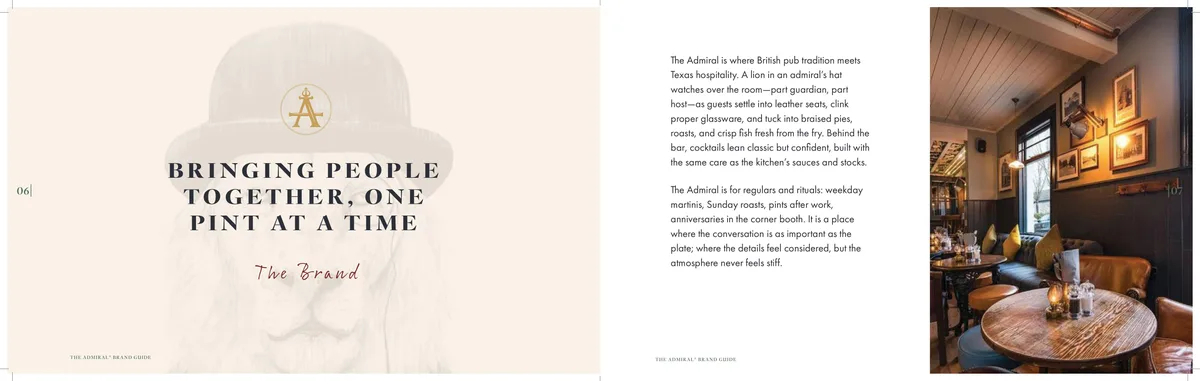
There's a reason some restaurants feel like destinations and others feel like afterthoughts. It's rarely about the food quality or the service or even the location. It's about coherence. Destinations feel like they were built with a singular vision. Afterthoughts feel like they were assembled from a series of unrelated decisions.
You can feel this within the first thirty seconds of walking into a restaurant. Before you've tasted anything, before you've spoken to anyone, you already have a sense of whether this place knows what it is. That feeling is the brand system at work — or the absence of one.
If you're planning a new concept, this is the time to think about brand as a system — before the buildout, before the menu, before the first Instagram post. And if you're already open and your brand feels fragmented, it's not too late. A thoughtful rebrand or brand refinement can unify what you've already built without starting from scratch. Our process is specifically designed for operators at either stage.
Your logo matters. Your colors matter. Your fonts matter. But none of them matter as much as the system they belong to. A mediocre logo inside a great brand system will outperform a beautiful logo with no system at all — because guests don't experience your logo. They experience your restaurant. Every corner, every surface, every interaction.
That's what restaurant brand identity actually is. Not a file your designer sent you. Not a page in a brand guide. It's the entire experience of your restaurant, working together.
If you're at the stage where you're thinking about this — whether you're opening something new or realizing your current brand isn't quite working as a system — that's exactly what we do. We build brand systems for independent restaurants, and we do it as operators who've been on your side of the bar. We'd love to hear what you're working on.