



the complete guide to restaurant branding.
We wrote this to answer what operators actually ask before they hire anyone. What branding covers. What it costs. Where it goes wrong, and when it is worth paying for.
insights · space · 20 mar 2026 · 6 min
A beautiful room that doesn't work is a liability with good lighting. These are the five design mistakes we see most, what each one actually costs, and how to catch them before the walls go up.
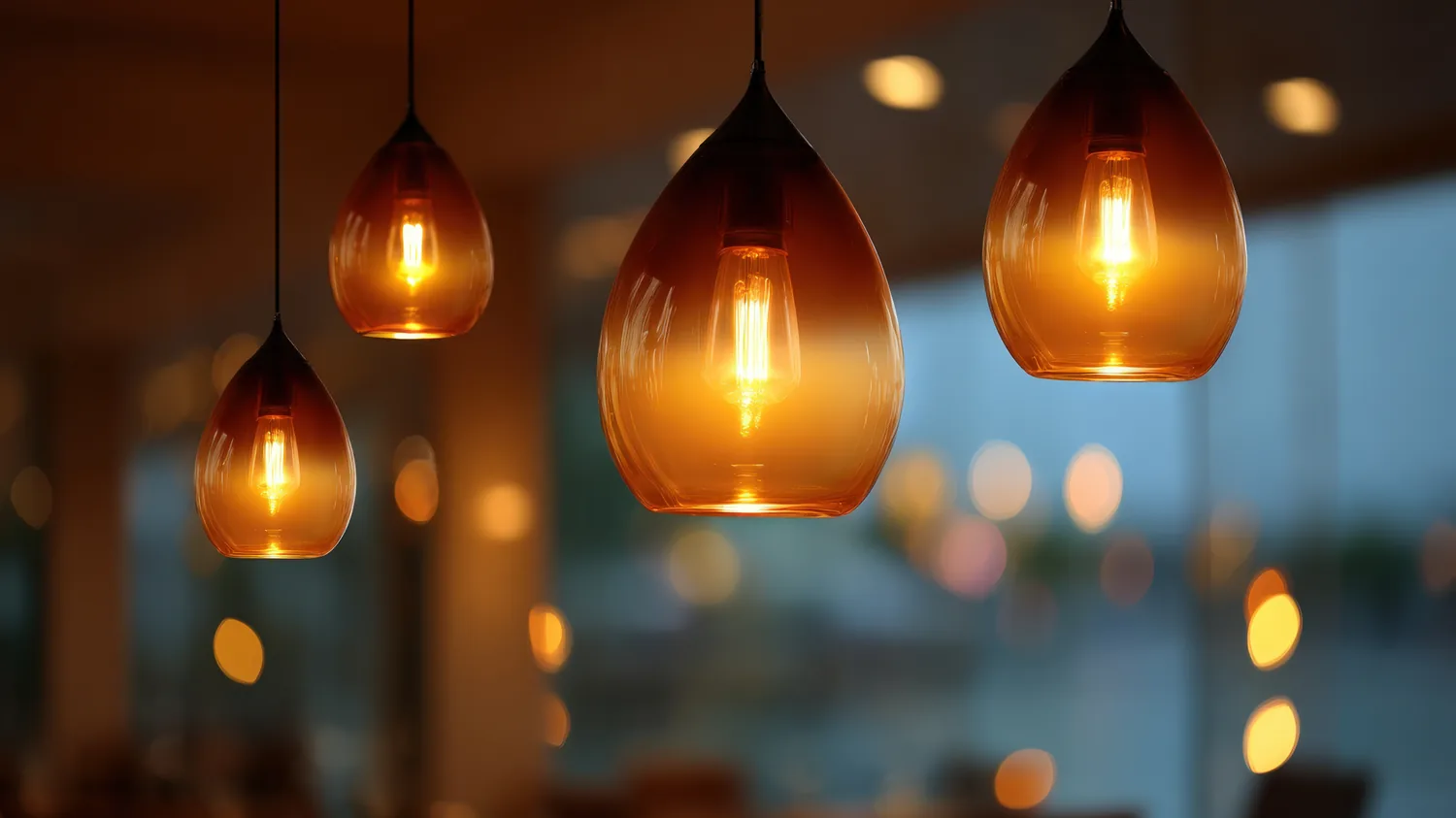
The five restaurant interior design mistakes that cost the most money: lighting that fights your concept, traffic flow that ignores how service actually moves, finishes chosen for photos instead of durability, a space that contradicts your brand, and skipping professional design entirely. Every one is preventable. Every one gets paid for daily, whether you fix it or not.
We ran a 13,000 square foot brewery-restaurant in Rockwall, Texas for eight years. We've also walked hundreds of rooms across Dallas and Fort Worth, from Bishop Arts to the Near Southside. The pattern holds everywhere: the expensive design problems were all visible on the drawings. Somebody just wasn't looking for them.
Lighting is the most impactful design element in a restaurant and the most neglected. It changes how the food looks, how guests feel, how staff moves, and whether anyone orders a second round.
Two versions of this mistake show up constantly. The first is going too dark. Moody sounds sophisticated on the mood board. Then guests are lighting menus with their phones and servers are reading body language in silhouette. Intimate at 6 PM, claustrophobic at 8. The second is designing for one moment of service. A room tuned for golden hour feels wrong at the 9 PM turn with every table full and the kitchen running hot.
Good lighting design starts from the concept, the finishes, and the arc of a full service. It gets planned with the electrician early, on dimmable circuits zoned by area, not bolted on after the paint. Get it right once and it earns its keep every single night.
Layout decides how your restaurant works. Can servers get from the kitchen to table 40 without threading a gauntlet? Do guests walk past the restroom door to reach their seats? Is the bar visible from the host stand? Did the POS end up wherever there happened to be an outlet?
In a big room, wasted steps compound brutally. Add twenty unnecessary feet to a server's loop and multiply it by every table, every turn, every shift. That's slower service, colder food, and labor dollars burned on walking. We felt this one personally: in 13,000 square feet, the difference between a smart station layout and a pretty one is measured in payroll.
Smart flow builds natural zones that match your service model, keeps server paths short and collision-free, and positions the bar, host stand, and POS for sight lines and speed. That takes someone in the room during layout who has actually run a Saturday night.
Restaurants destroy materials. Food spills, chairs drag, walls scuff, mops hit the same baseboard five hundred times a year. Finishes have to be beautiful and durable at the same time, or you're re-doing the dining room on a three-year cycle instead of ten.
The trap is choosing what photographs well. Unsealed wood that stains the first week. Paint that shows every fingerprint. Delicate fixtures that live at kid height. Grout that reads as dirty no matter how clean it is. Each one feels like a savings at the finish-out and becomes a recurring invoice after opening.
Specify like an operator: matte surfaces that hide wear, grout colors that forgive, materials you can scrub without ruining. The finish schedule is an operating decision wearing a design costume.
Lighting, layout, materials, brand. They either work together or bill you separately.
Your interior is where the brand becomes physical. When the two don't match, guests feel the gap before they can name it. A brand that promises refined and seasonal can't live in a room of dated laminate. A brand built on loud and local can't sit inside beige minimalism.
The room should tell the same story as the logo, the menu, and the Instagram grid. Materials, palette, lighting, music, the weight of the door handle. All of it whispers "this is who we are," or all of it argues. When design disconnects from brand strategy, you've bought expensive decoration. It photographs fine and converts nobody.
The biggest one. Design gets treated as the last decision, something the contractor will sort out, or a Pinterest board made real. But restaurant design isn't decoration. It's aesthetics, operations, code, durability, brand, and budget colliding in one floor plan, and every one of those decisions touches the others.
Professional design up front is always cheaper than fixing a built mistake. Bad flow bills you in labor every day. Wrong materials bill you in replacements. Dead lighting bills you in shortened stays. This is exactly why we built Copper+Oak as a restaurant branding and design studio in Dallas–Fort Worth that treats brand, space, and operations as one system, not three vendors. Whether you work with a studio like ours or another hospitality specialist, get someone who's run a room into yours before the walls go up.
Rooms that work feel effortless. Guests settle in, staff moves clean, the brand shows up in the details. That effortlessness is engineered. Lighting, flow, materials, and brand alignment all planned together, by someone who's thinking about the busy Saturday night and not just the photo shoot.
Want a second set of eyes on your plans? See how we approach commercial interior design, look at the work, or talk to us before you sign off on the drawings.
The five we see most: lighting that fights the concept, traffic flow that ignores how service actually moves, finishes chosen for photos instead of durability, a space that contradicts the brand, and skipping professional design entirely. Each one is preventable, and each one gets paid for every day the room is open.
It shows up as a daily tax, not a single invoice. Bad flow adds steps to every server's night, which is labor cost. Fragile finishes turn into replacement cycles every few years instead of ten. Lighting that fails at the 8 PM turn shortens stays and shrinks checks. None of it appears as a line item, which is exactly why it keeps getting paid.
A good contractor builds what's on the drawings. They don't decide where the POS goes, how servers route around table 40, or whether the finish schedule survives year three. That's design, and in a restaurant it's operational design. Get someone in the room who has run service, not just built rooms.