



the complete guide to restaurant branding.
We wrote this to answer what operators actually ask before they hire anyone. What branding covers. What it costs. Where it goes wrong, and when it is worth paying for.
insights · systems · 15 mar 2026 · 6 min
The market is growing, the competition is real, and the process takes longer than anyone tells you. A step-by-step guide from an operator who spent eight years running a DFW restaurant.
How to open a restaurant in Dallas–Fort Worth, in order: lock the concept, choose the neighborhood like a business decision, run the permit gauntlet for your specific city, start TABC early if you're serving alcohol, budget the buildout like a skeptic, design the room around service, and build the brand before opening night. Seven steps. Nine to eighteen months. Skipping one doesn't save time, it just moves the cost to after you open.
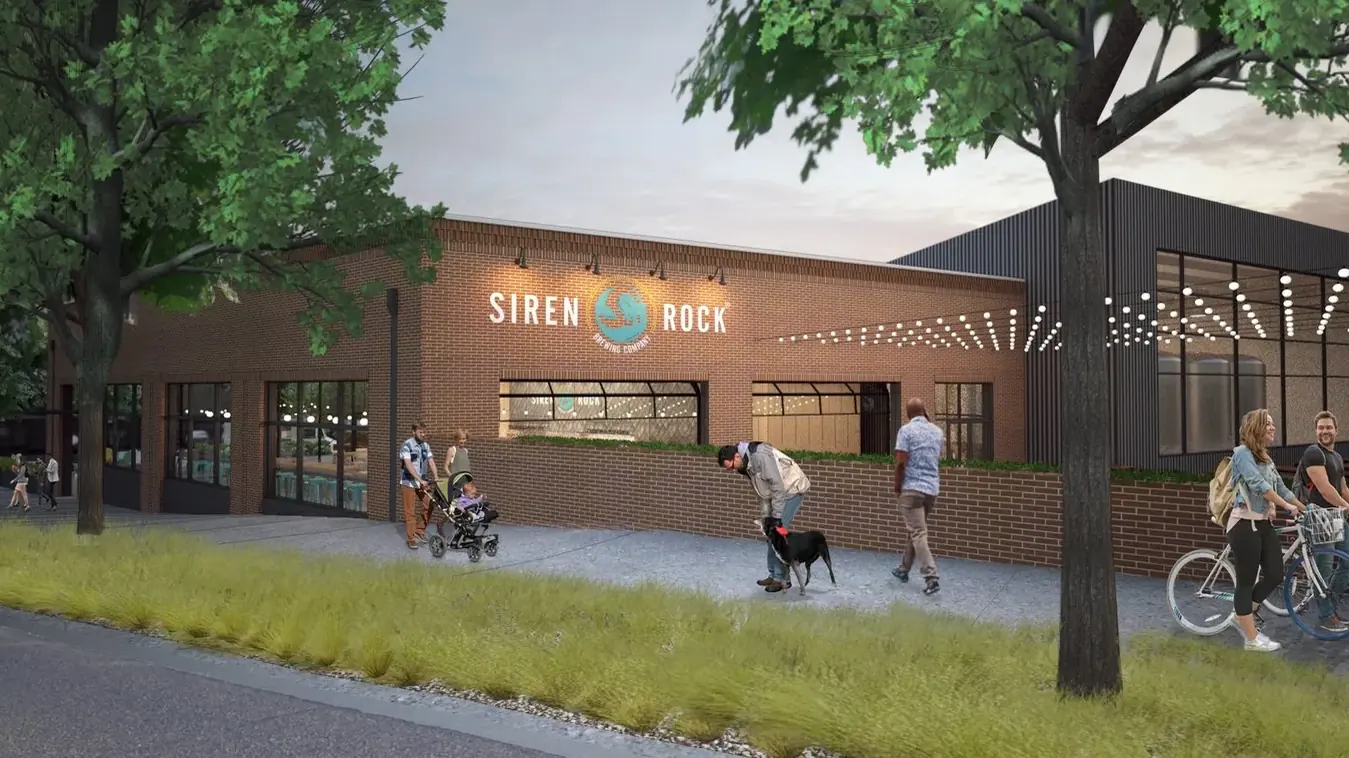
We spent eight years running Siren Rock Brewing Company, a 13,000 square foot brewery-restaurant in Rockwall. Everything below comes from doing this, not from reading about it.
DFW is one of the fastest-growing metros in the country. New residents, real disposable income, a food culture that keeps getting sharper. That's the opportunity. The catch is that everyone else sees it too, and the metroplex does not need another interchangeable "modern American" concept.
What wins here is clarity. A concept with a point of view, food that's consistent on a Tuesday, a room that tells one story. Before you look at a single space, be able to answer: what do we do that nobody else here does? Who is it for? Why does this neighborhood need it? If the answers are fuzzy, the lease will not fix them.
Location carries enormous weight, and DFW is more nuanced than most metros because it's really twenty markets wearing one name. Bishop Arts is nothing like Uptown. Uptown is nothing like Frisco. A concept that thrives on Magnolia Avenue in Fort Worth might starve in a Plano strip center, and vice versa.
Study the block before you sign. Who lives and works there, how they move through the day, what similar concepts are doing, whether you're a destination or a neighborhood regular. Then study the lease harder. A landlord hungry for any tenant is a warning sign, not a gift. You want terms that let a restaurant actually mature: realistic rent escalations, a workable buildout period, and an exit that doesn't bury you.
The paperwork stack is real: a food establishment permit from your city's health department, a certificate of occupancy, building permits for construction, a Texas sales and use tax permit, food manager and handler certifications, and zoning that actually allows your concept, your hours, and your parking count.
The trap is that every city in the metroplex runs its own version of this. Dallas is not Fort Worth, and neither one is Plano, Arlington, or Rockwall. Operators regularly get deep into a deal before discovering the zoning kills the patio or the buildout can't meet code. Confirm requirements with the specific city while the lease is still being negotiated, and get a restaurant attorney involved early. That fee is the cheapest insurance in this whole process.
If beer, wine, or spirits are part of the model, the TABC application belongs at the front of your timeline, not the end. Licensing runs through both the state and your local jurisdiction, the review takes months, and there is no shortcut. We lived this as a brewery: the alcohol timeline is its own project with its own critical path.
Decide early what license the concept actually needs, get the application moving as soon as the location is committed, and don't schedule opening night around a permit you don't hold yet.
Fixing it after you've already built the walls costs tens of thousands.
Buildout costs in DFW swing wildly with the space. A second-generation restaurant with a working hood and grease trap is a different project than a raw shell in a new development. Design fees, construction, equipment, impact fees, deposits, inspections. It stacks fast.
Budget conservatively and hold a real contingency, because materials run over, contractors underestimate, and change orders always move in one direction. Get multiple quotes on the big items from contractors who have built restaurants, not just retail. And don't cut design to save money. Traffic flow figured out on the drawings is free. Moving a wall after it's built is not.
Guests in this market expect a room that feels intentional, and your staff needs one that works at full volume. Those are the same project. Lighting planned for the whole arc of service, server paths that don't collide, a bar positioned to sell, finishes that survive year three. We wrote up the five design mistakes that cost restaurants money because they're the same five in almost every room that struggles.
Whoever designs your space should have run one. That's the difference between operational space design and expensive decoration.
By the time the sign goes up, the brand should already exist everywhere your guest looks: name, identity, menu voice, website, social presence, the room itself. Restaurants that open with a clear identity get press, get remembered, and get a second visit. Restaurants that plan to "figure out marketing later" spend year one invisible.
This is the work we do all day as a restaurant branding and design studio in Dallas–Fort Worth: brand, space, and operations built as one system so the concept survives contact with a busy Saturday night. If you're earlier in the thinking, start with the complete guide to restaurant branding.
Plan on nine to eighteen months from committed concept to opening night. The long poles are the lease negotiation, city permitting and inspections, the buildout itself, and TABC licensing if you serve alcohol. Almost everyone underestimates the permitting and construction phases. Build the timeline backward from a realistic open date, not a hopeful one.
The core stack: a food establishment permit from your city's health department, a certificate of occupancy, building permits for any construction, a Texas sales and use tax permit, food manager and food handler certifications, and a TABC license or permit if you serve alcohol. The details vary by city. Dallas, Fort Worth, and each suburb run their own health and zoning processes, so confirm requirements with the specific city before you sign anything.
There is no honest single number. A second-generation space with a working kitchen can open for a fraction of what a raw shell costs, and a full-service buildout typically runs well into six figures once construction, equipment, deposits, fees, and working capital stack up. The rule that matters more than any estimate: hold a real contingency, because materials, timelines, and change orders will move against you.
free download
Location, permits, licensing, buildout, design — every step mapped out so nothing falls through the cracks.
Download the Guidefree download
Every permit, inspection and lead time between a signed lease and a first service, in the order they actually happen.
get the checklist