



the agents are real. doing it alone is the trap.
Agentic AI is changing how independent restaurants market. The benefits only show up when the agents are run by someone who has been on the line.
insights · space · 12 may 2026 · 6 min
Most beautiful rooms aren't built to a brief. They're built to a feeling. Here is what we have learned about how that feeling gets made, and why the rooms that stay with you almost always come from the same instinct.
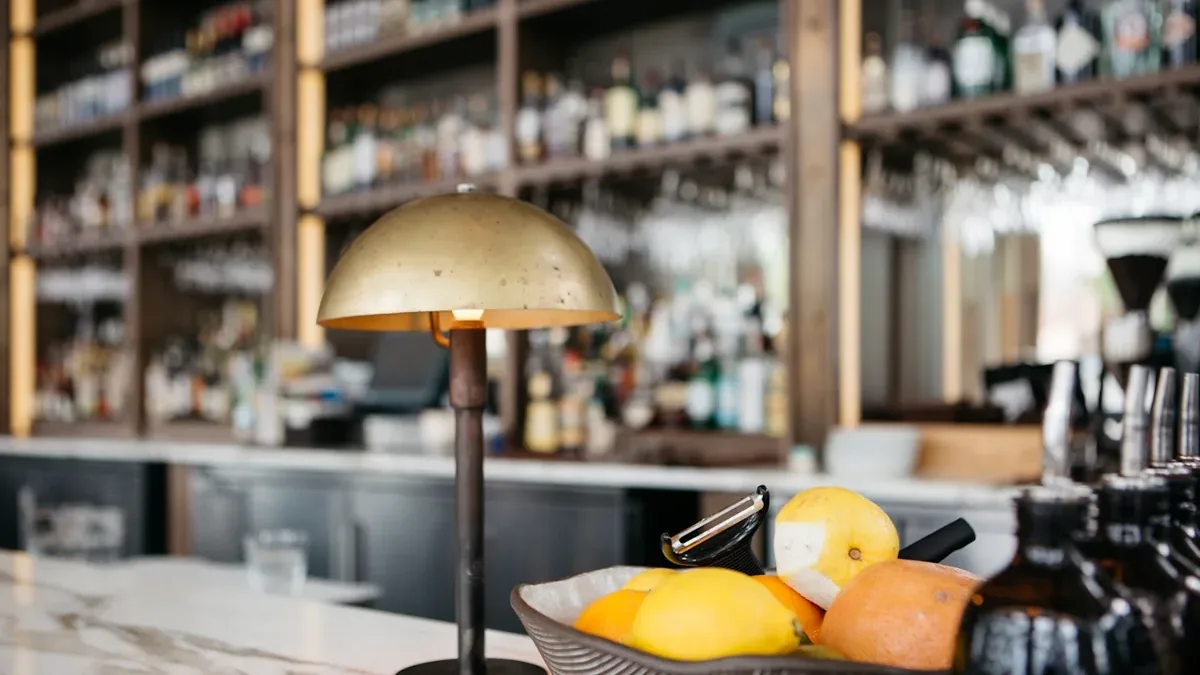
There is a moment when you walk into a restaurant for the first time. Sometimes it is a second. Sometimes longer. Either way, by the time you get to your table, your body has already decided something — whether the room is going to hold you, or whether you are going to hold yourself a little tight all night. You can usually tell which one it is by how loud you talk after the first sip of your drink.
The rooms that hold you don't have a single trick in common. They have a single instinct: someone, at some point, decided what this place would feel like before they decided what it would look like.
That sounds soft. It's not. The feeling is the brief. Everything else is downstream of the feeling. The materials. The lighting. The table spacing. The music. The way the bar reads from the door. The smell of bread when you walk past the kitchen. Every one of those decisions follows from the feeling, not the other way around.
You can't crowdsource a feeling. You can't Pinterest a feeling. You can mood-board around it for weeks and still not hit it. The reason most beautifully-built restaurants miss isn't that the founders had bad taste. It's that they had a thousand great references and no one in the room making the call about which feeling all those references were pointing toward. So the room ends up looking like what they liked, not like what they meant.
The rooms that stay with you are the ones where someone made the call.
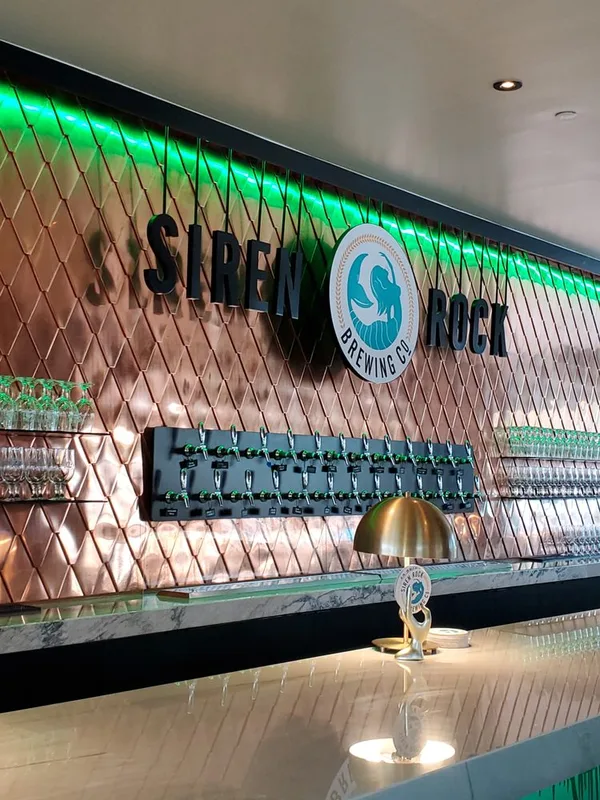
There is a copper diamond-tile back wall at Siren Rock. Roughly twenty feet long, the signage and mermaid mark mounted flush against it. From the door it reads as texture. From a barstool it reads as craft. We chose copper because it picks up green strip-light from the top edge and warm pendant light from below in two different ways at the same time. We chose the diamond pattern because it doesn't fight with anything else in the room. None of it was an accident. The wall looks inevitable now because someone decided what the back of the bar should feel like before anyone walked in.
That is the work. The wall is a big call. The smaller calls follow from it.
That is what most beautiful rooms have in common, in the end. Someone was paying attention to a thing, small or large, that no customer would ever consciously notice, because they understood that thing was the whole thing.
In our experience, six things separate a room that photographs well from a room that gets remembered. None of them are expensive. All of them are decisions.
Real wood, real metal, real stone, real fabric. You can fake any of these now and most people won't consciously notice. But your body knows. Sit at a table that is plywood-with-veneer and you will lean in stiffer. Sit at a slab of walnut that has been waxed instead of polyurethaned and you will loosen up. The room is reading you while you read the room.
A room lit only at ceiling height feels like an office. A room lit at table level, bar back, and ceiling. Three sources, three pools. That feels like a place you came to. The brass pendant over a walnut communal table is a cliché because it works. Don't overthink it.
Most operators design their rooms for a full house, covers humming, the place at peak. The honest test is what the room sounds like at 6:30 on a Tuesday with four tables seated. If the room amplifies the awkwardness of those four tables, the room is wrong. If the room makes those four tables feel like a small private dinner, the room is right.
Two inches of generosity here changes everything. Your customers think it is about elbow room. It is not. It is about the air they are breathing, the way they hear the table next to them, the privacy of their own conversation. Generous spacing is the most underrated luxury cue in restaurant design and one of the cheapest to deliver.
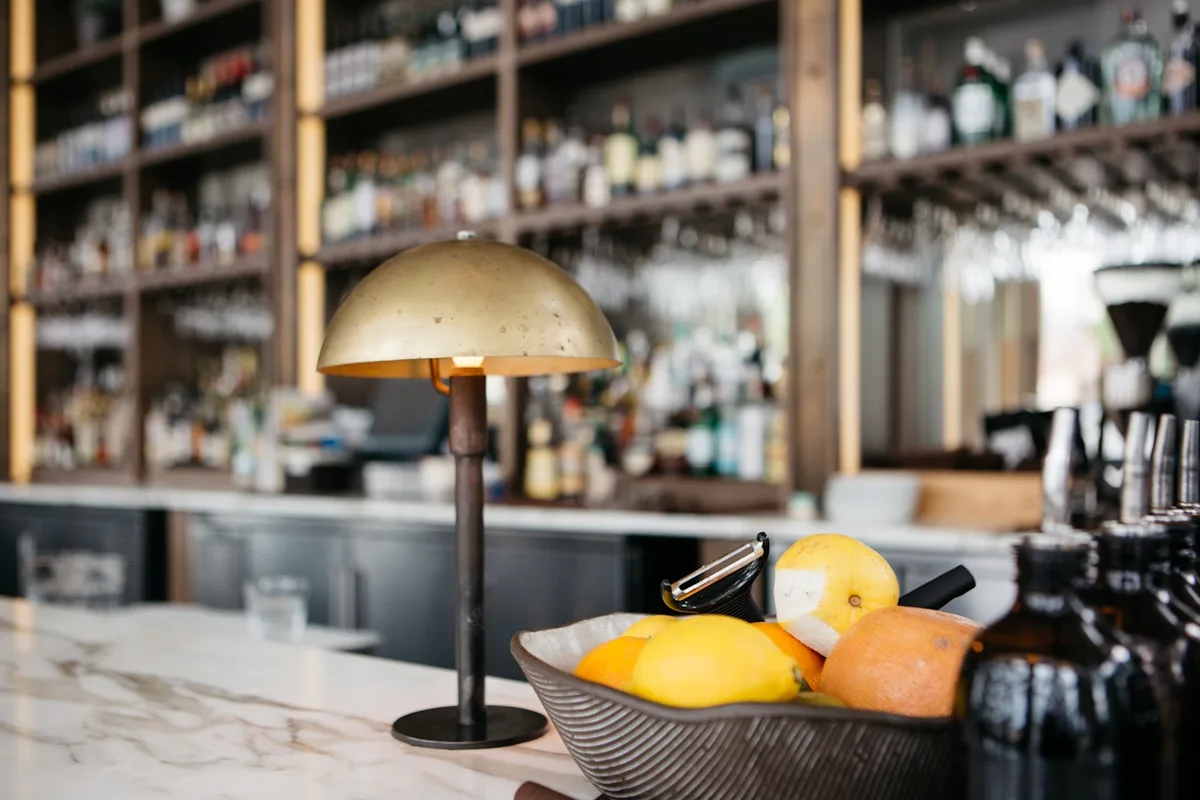
The bar is a stage. It either pulls the room toward it (front-of-house theater, the bartender doing the work in full view) or it sits at the side as a service station. Both are valid. The wrong one is whichever one doesn't match what the room is actually trying to be.
The first ten feet inside the front door decide everything. Most operators put a hostess stand there because they need to. Few of them think about what the customer is doing in those ten feet — looking up, looking around, deciding how the room feels. If the threshold is generous, intentional, and lit with care, the customer's body relaxes. If it is cramped, fluorescent, and pinned between a wall and a coat rack, you have already lost them. They will have a fine night. They will not come back.
Beautiful is easy. Memorable is a decision someone made.
We don't think about restaurant design as decoration. We think about it as an answer to a question the customer is asking before they even know they are asking it: am I going to enjoy myself here?
The room can answer that question with a yes before they have ordered. Or it can answer no and force the food to fight uphill all night.
You can't separate the food from the room. The room is part of the meal.
If you are building a restaurant of your own, we would love to hear what you are imagining. Not the floor plan. Not the budget. The feeling. The thing you want a stranger to walk in and know about your place before they sit down.
That is the only brief we work to.